Banker & Tradesman
November 2026
Jon Weaver is glad to see companies depart from Massachusetts Biomedical Initiatives’ properties, because it signals they’ve outgrown its incubators in Worcester. MBI is building on its over-four-decade history as the state’s oldest nonprofit biotech incubator and now operates three locations totaling 65,000 square feet that are home to dozens of growing startups. MBI’s proving grounds for biotech research are helping expand the Worcester County life science workforce, which increased nearly 7 percent in the past year and now totals nearly 3,091 jobs, according to industry trade group MassBio.
The MBI incubator has been a springboard for companies such as Worcester-based Waterfall Scientific, which was awarded $54.5 million in September from the Advanced Research Projects Agency for Health to lead a six-company consortium researching mRNA therapeutics and vaccines. After working as a real estate executive at MassDevelopment, Weaver joined MBI in 2015 to expand its real estate footprint catering to early-stage companies.
Q: How do you characterize the overall state of the life science ecosystem in central Massachusetts in 2026?
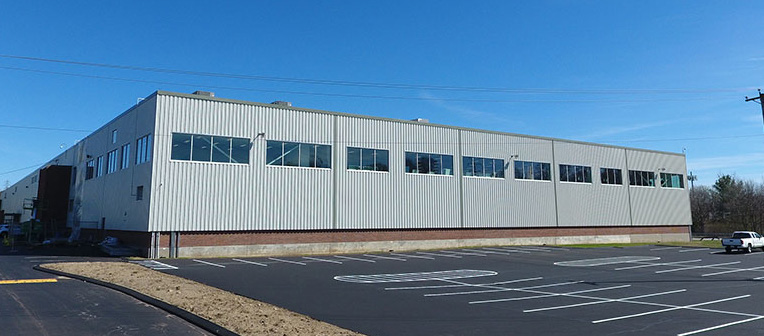
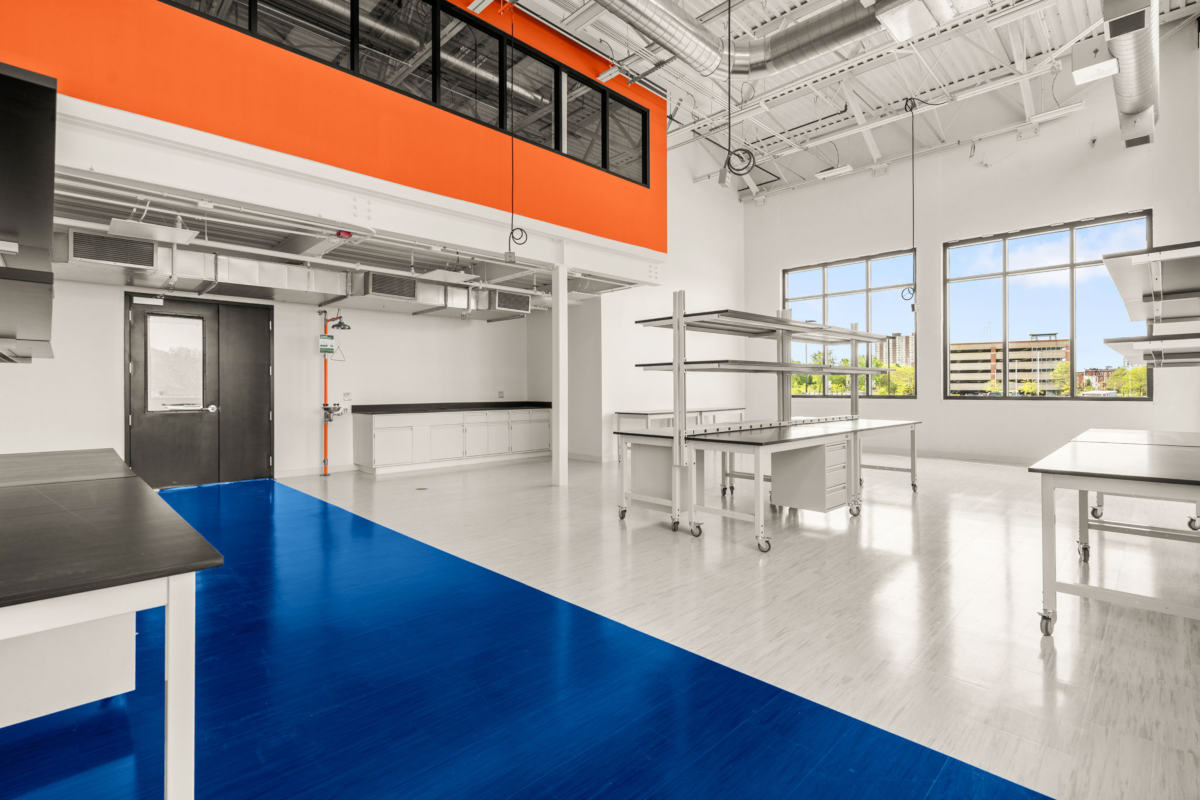
A: Momentum is the way I would describe it. For the last several years while other parts of the country and the commonwealth have been struggling, Worcester has been quickly building up momentum. We saw it first at our incubator, which never saw the dip that other incubators saw. The facility is hovering at around 95 percent occupancy since 2020 for this site [17 Briden St.]. We have three [incubator] locations now, and the biggest here at 17 Briden St. opened its first phase in 2020 and its second phase in 2023. Since then, it’s been full perpetually. We have all private labs from under 400 square feet to 3,000 square feet, and a pilot manufacturing center, which lines up with our broader regional goals. All of that creates a system that scales with a company as they continue to grow. There’s also great success at the biotech park across town in Worcester.
Q: Do members rent space on a monthly basis?
A: We have 38 labs at Briden Street, and another 26 at the other two sites combined. We want companies to get through the system and out. We ask companies to make an initial commitment of six to 12 months. After that, they can leave with 90 days notice at any given time. We want them to move on from the system. You can sign a lease for us on Tuesday, and three weeks later you realize you need more space, we can move you into space within our system as long as it’s available.
The demand has been steady and consistent. We’ve always been full despite the fact we’ve continually added more space. It’s changed. Our company tends to follow where capital is going in the industry. Several years ago, it was 65 percent drug discovery. Now it’s probably 65 percent companies that are more revenue-based, that are pretty new service companies. When the money goes back into the therapeutic industry, and VCs start investing in early-stage companies more significantly, we’ll see that change. But regardless of the economy, we’ve remained full.
Q: MassBio’s annual report notes that Central Massachusetts led the Bay State in life science R&D job growth on a percentage basis. Which companies were the biggest drivers?
A: AbbVie certainly is our anchor and they continue to be a big part of the economy with their [$70 million expansion of the AbbVie Bioresearch Center in Worcester]. WuXi Biologics is ramping up hiring, which is exciting [at the Reactory biomanufacturing park]. Repligen just built a big facility in Shrewsbury. The incubator companies continue to hire here as well.
Q: You partnered with the Auxiliam Worcester incubator on an accelerator program for biotechs. How did that partnership begin?
A: We are fortunate to have a really good partner in Rucker Investments, which is a family office. The Ruckers have been incredible investors in Worcester. They believed in the market before a lot of other people did. So, when they mentioned they wanted to build an accelerator program, it was kind of a dream come true: the type of program we’d wanted to see happen for years, but never had the right partnership with the capital. They put in substantial money: $1.5 million over the first two cohorts into six different companies.
It puts the stamp on what we’ve been seeing: Ten or 15 years ago, there was a perception you never raise VC money outside of Kendall Square, let alone anywhere else in the commonwealth. First with Zoom and shifts in the economy, we’ve seen that totally change. Since we opened up Briden Street, there is almost $600 million in investment capital going to companies within the building. It reflects the fact we’ve got some really quality companies in the area, and they are earning the capital.
Q: How can state government support the central Mass ecosystem?
A: One of our key things was to have the state signal their intention for this region to become a biomanufacturing hub. The state has leaned in and been strong partners with us through the Healey-Driscoll administration to figure out how we build a value proposition to compete against states and countries trying to go after the same market segment. We’ve launched a workforce initiative, launched pathmaker programs with the Massachusetts Life Science Center, we’ve built talent pipelines, and now we’re building programs to make Worcester residents more aware of biotech and get placed in jobs. We are trying to build infrastructure for biomanufacturing to get companies to scale here. The fourth bucket was incentives. The state’s Business Builds [grant program] was one of the programs that we advocated for and are hopeful to be successful. They’ve been oversubscribed on every round.
Q: What did you think about Gov. Maura Healey’s nominations for Opportunity Zone 2.0 in central Massachusetts?
A: We’re pretty happy with the new outlines. One of the outlines includes the Gateway Park where we’re located. If investors want to put money into startups within our building or in the real estate that’s available around us, they have the benefit of that OZ to make it even sweeter than it already is. And then the city was able to also extend an OZ over at The Reactory in our biotech park, both of which are critical to the industry. All of the key areas where the city and state and MBI have been pushing investment have been included in that, with the exception of Greentech Park, which is an incredible project and will be successful no matter what.
Q: How does the Worcester Regional Airport fit into biotech development?
A: One of the things a lot of companies don’t realize is that Worcester Regional Airport has a good courier business. For companies that have to transport sensitive products across the country, such as a sample for a patient getting cell therapy, sitting in an hour-and-a-half of traffic trying to get to Logan isn’t usually the best use of that time. Getting to Worcester is more predictable, and they have a strong courier business. There’s a nearby company that does CGMP storage. The airport is a key part of the attraction. As we add more routes to business hubs, it’ll become an even better asset.
Jon’s Five Favorite Restaurants in Worcester:
El Patron
The Fix Burger Bar
VIA Italian Table
Mare E Monti
Coney Island Hot Dogs @ Polar Park
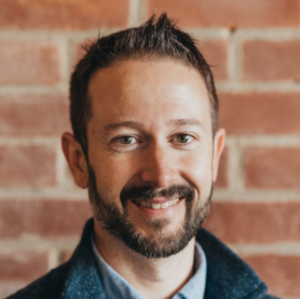
Jon Weaver
President and CEO, Massachusetts Biomedical Initiatives
Age: 42
Industry experience: 21 years