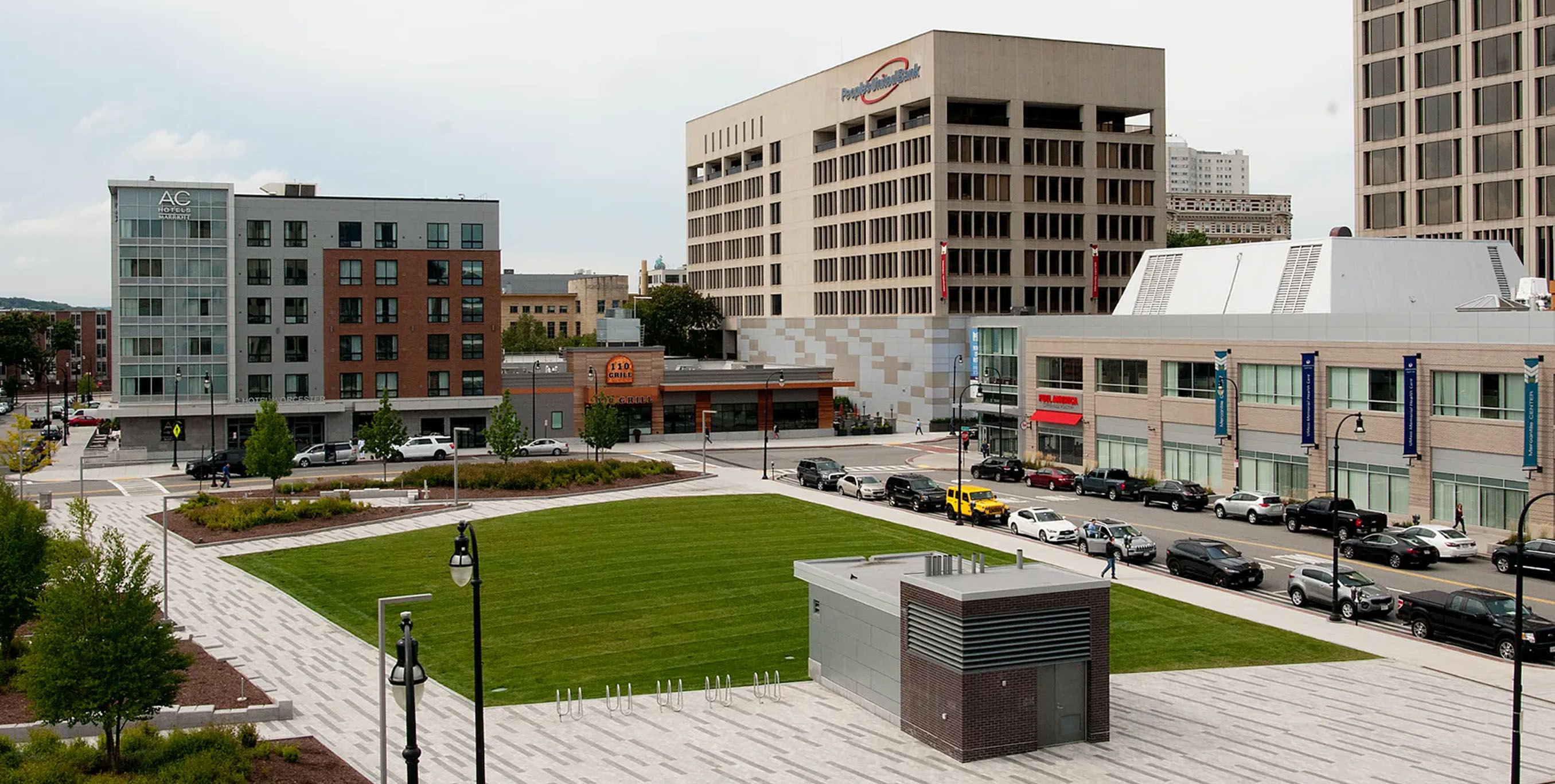
The Affordability Advantage
Why More People, Businesses, and Investors Are Looking West
Interested in Investing in Worcester? Contact Us.
Call Kelleher & Sadowsky:
508-755-0707
There is a newly constructed Starbucks in Clinton, Massachusetts that offers an interesting clue about the future of commercial real estate in Central Massachusetts.
A recently marketed Starbucks property in Clinton was offered at a 6.25% capitalization rate. For investors accustomed to seeing newly developed, corporate-guaranteed net lease assets trade closer to the mid-5% range—or even lower in premier locations—the offering highlights the yield premium that still exists in parts of Central Massachusetts.
For decades, that premium was easy to explain.
Boston was the center of gravity. The jobs were there. The capital was there. The population growth was there. Investors accepted lower yields because proximity to those advantages seemed worth the tradeoff.
And for a very long time, it was.
The question today is whether investors are solving yesterday’s problem.
Because something important has changed.
Success has become expensive.
Not just for investors. For everyone.
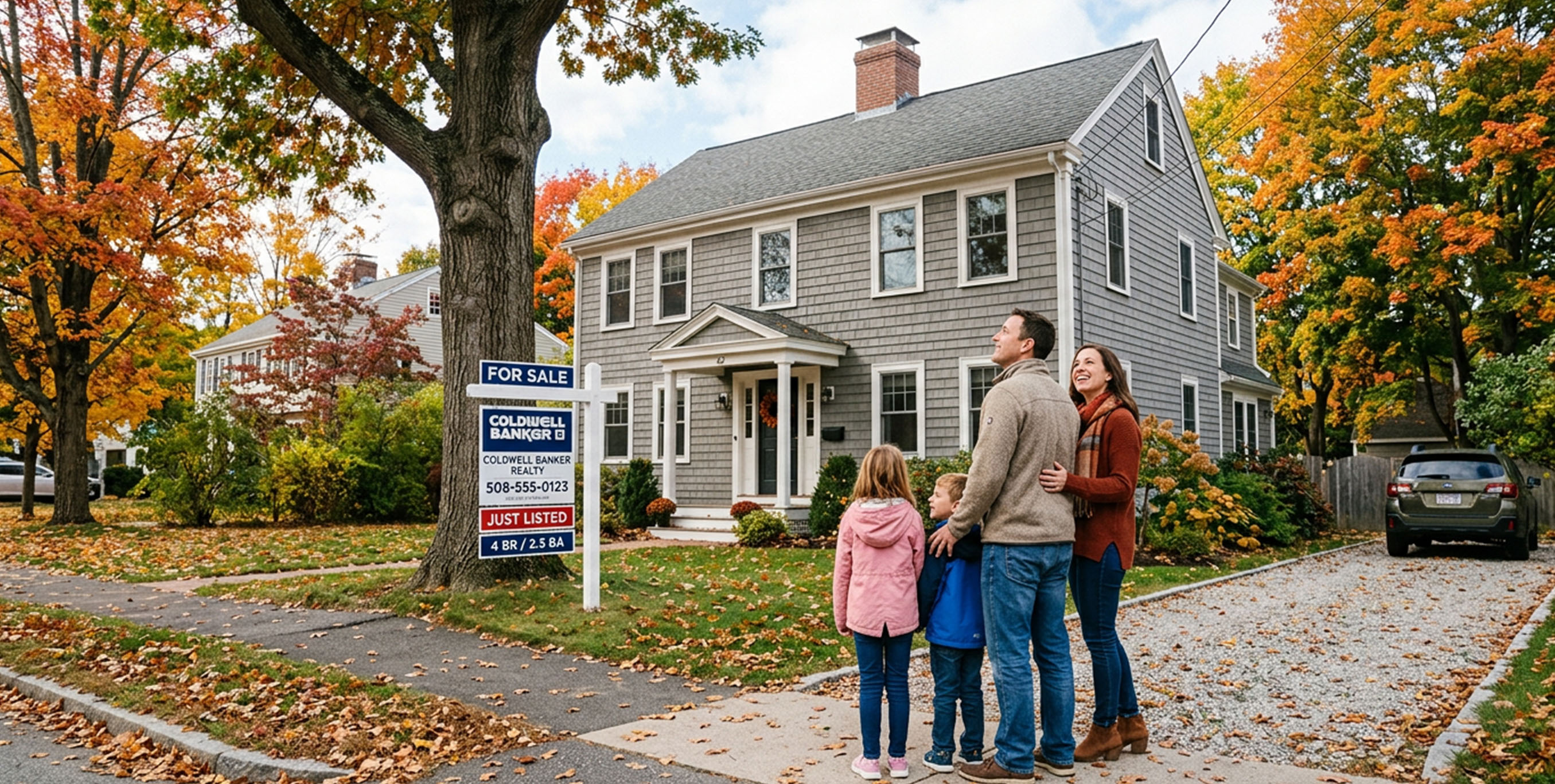
The Affordability Migration
Homebuyers feel it. Employers feel it. Developers feel it. Municipal leaders feel it. And increasingly, they are all responding in the same way: they are looking west.
The first evidence appeared in housing.
A family searching for a home in Greater Boston often discovers that moving to Central Massachusetts can reduce the purchase price by hundreds of thousands of dollars while preserving access to the same New England economy. While the median home price in Boston is now approaching $900,000, Worcester remains closer to the mid-$400,000 range—a difference large enough to alter life decisions, not just real estate decisions.
The second evidence appeared in the labor market.
Employers discovered that affordability had become a recruiting advantage. Workers increasingly value communities where they can afford to buy a home, raise a family, and still access the economic opportunities of New England’s largest metropolitan area.

When People Move, Demand Follows
The third evidence is now appearing in commercial real estate.
Investors who once viewed Central Massachusetts as a secondary market are beginning to see something different. They see a region with strong housing demand, expanding healthcare systems, growing colleges and universities, continued investment in infrastructure, and modern industrial facilities serving one of the largest consumer populations in the country.
Increasingly, they also see pricing that still reflects yesterday’s perceptions rather than today’s realities.
This is what makes the current moment so unusual.
Typically, investors must choose between growth and yield.
Growth is found in expensive markets.
Yield is found in slower-growing markets.
Central Massachusetts is increasingly offering both.
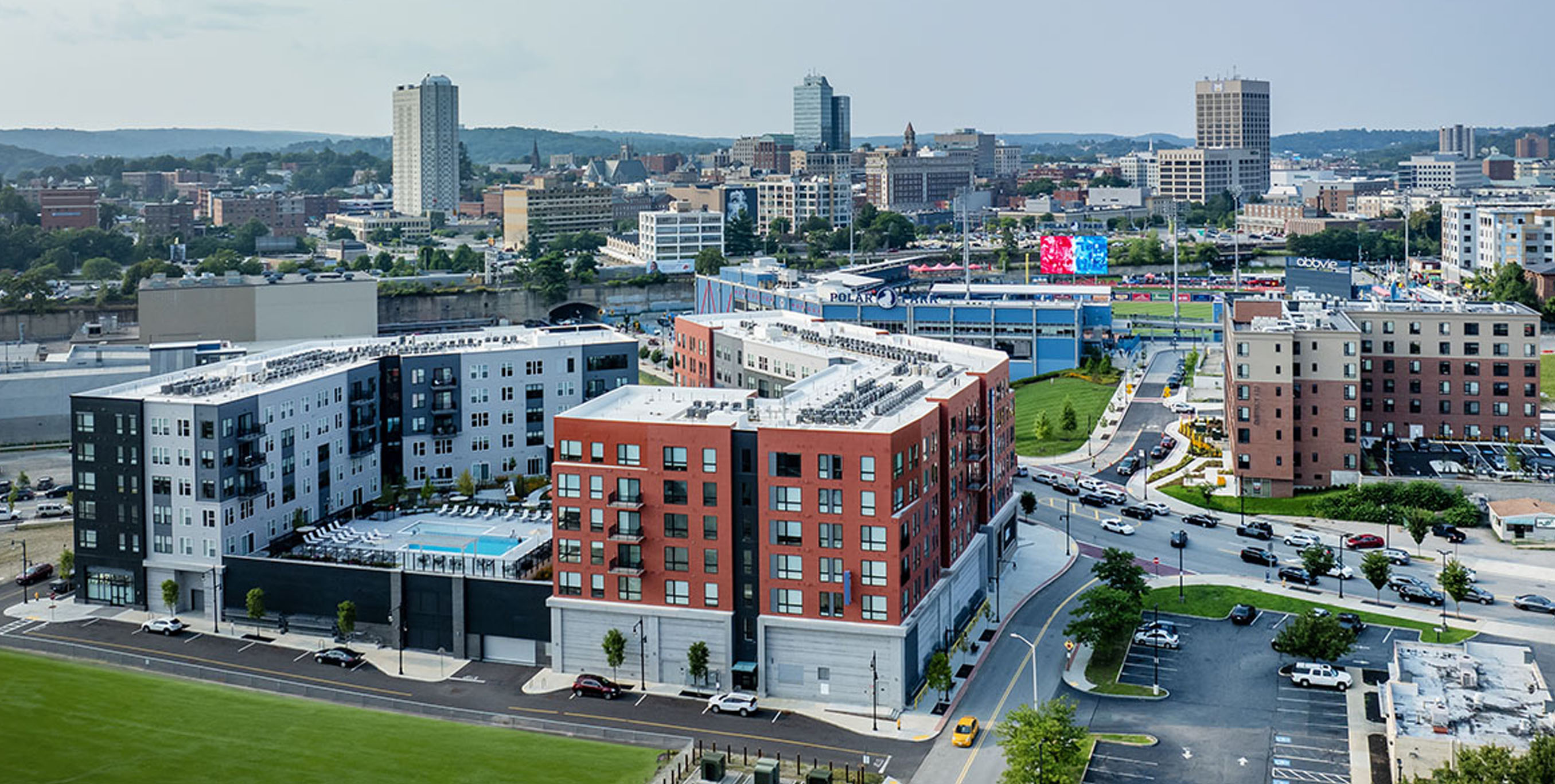
The New Investment Equation
Worcester County has emerged as one of the strongest housing markets in the nation. The City of Worcester grew by more than 14 percent between 2010 and 2020, making it the fastest-growing city in New England with a population above 210,000. Billions of dollars have been invested across the region in housing, healthcare, higher education, life sciences, and infrastructure.
The investment market is beginning to reflect those trends.
Multifamily cap rates in Central Massachusetts often remain 100 to 200 basis points higher than comparable assets closer to Boston. Industrial assets continue to benefit from the region’s strategic location at the intersection of I-90, I-290, Route 146, I-495, and I-84. Retail properties serving growing suburban populations continue to attract investor interest, often at yields that are increasingly difficult to find inside Route 128.
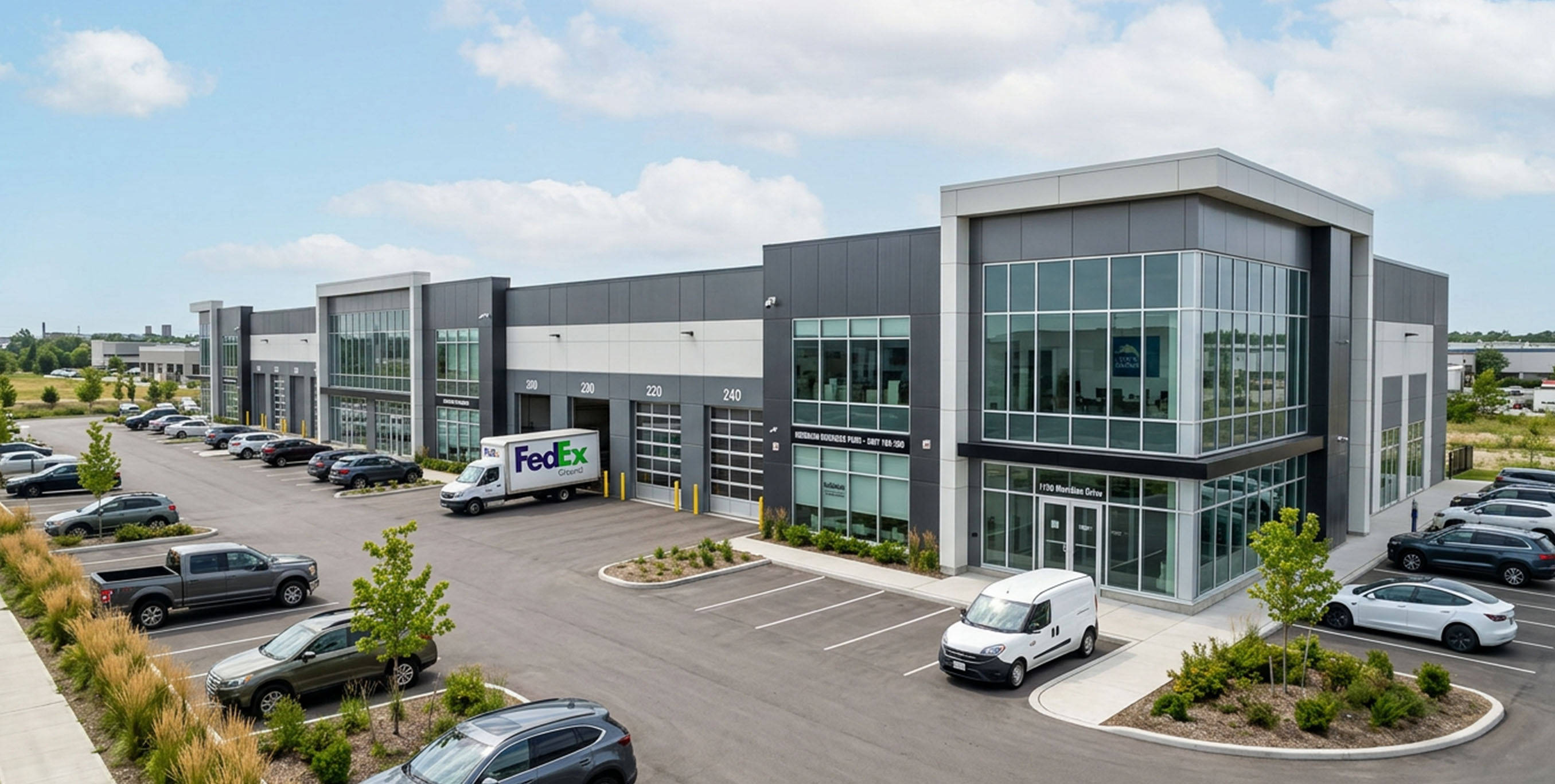
More Than a Cost Story
The most interesting part of this story is that affordability is only the beginning.
People may initially come to Central Massachusetts because housing is more attainable. Employers may first look west because costs are lower. Investors may arrive because yields are higher.
But they stay for other reasons.
They stay because the region offers a unique combination of transportation infrastructure, higher education, healthcare, workforce availability, and quality of life.
Interstate 90, Interstate 290, Interstate 495, Route 146, and Interstate 84 place Central Massachusetts at the center of one of the largest consumer markets in the country. World-class healthcare systems continue to expand. Colleges and universities produce a steady pipeline of talent. Public and private investment continues to reshape communities throughout the region.
In other words, affordability may be the catalyst, but it is not the entire story.
What begins as a search for lower costs increasingly becomes a search for opportunity.
The Starbucks in Clinton simply happens to be one of the first places where the math became difficult to ignore.
The same story is playing out in apartment buildings, industrial parks, healthcare facilities, retail centers, and development sites across the region.
What began as a search for affordability is increasingly becoming a search for opportunity.
And it’s happening throughout Central Massachusetts.