
Infrastructure as an Economic Catalyst: Why Smart Money Is Looking at Worcester
Interested in Investing in Worcester? Contact Us.
Call Kelleher & Sadowsky:
508-755-0707
If you were building a commercial real estate market from scratch in New England, you’d probably start with the roads.
You’d want an east–west spine like Interstate 90.
You’d add connectors like Interstate 290 and Interstate 495.
You’d make sure trucks could head south on Interstate 84 or Route 146 without ever seeing Boston traffic.
Then you’d drop in a commuter rail line to South Station.
Maybe an airport with three national carriers.
And you’d price the real estate at a meaningful discount to Boston and Cambridge.
What you’d end up with looks suspiciously like Worcester.

Warehouse & Logistics: Where the Math Starts to Make Sense
Logistics operators are not sentimental. They are mathematicians with forklifts.
They measure driving times, labor radius, last-mile efficiency, and occupancy costs.
Worcester sits at the center of a three-state delivery triangle — Boston, Hartford, Providence — allowing companies to reach millions of consumers without paying Boston rents or sitting on I-93.
In a world of recalibrated supply chains, optionality matters. Worcester provides it — and the numbers still pencil.

Industrial & Manufacturing: Blue-Collar Geography
Manufacturers want two things: people and pavement.
Worcester’s true highway grid — I-90, I-290, I-495, I-84 and Route 146 — allows employees to approach from multiple directions rather than funnel through a single choke point. Compared to Greater Boston’s stop-and-start commute patterns, travel times here are more predictable — a meaningful advantage for multi-shift operations.
That grid expands the labor radius across Worcester County, northern Rhode Island, MetroWest, and parts of Connecticut.
And the workforce pipeline is deep. Vocational schools, community colleges, and four-year institutions continue to graduate skilled technicians, engineers, and manufacturing specialists who support both traditional industrial users and advanced manufacturing.
It’s not flashy. It’s functional. And functionality wins cycles.

Multifamily: Mobility Equals Demand
Housing markets behave like water — they flow downhill from expensive to affordable.
With Boston pricing still elevated, commuter rail access has made Worcester a rational alternative for professionals who want more space without severing career ties. The MBTA Framingham/Worcester Line now operates approximately 20 weekday round trips between Union Station and Boston’s South Station. That frequency makes hybrid work sustainable: live in Worcester, commute when needed, and capture Boston wages without Boston housing costs.
Developers have responded accordingly. New multifamily projects are rising within walking distance of Union Station, downtown, and the Ballpark District — positioning transit access not as a convenience, but as a core amenity.
Highway connectivity amplifies the effect. I-90, I-290, Route 146, and I-495 expand employment reach in every direction, reducing downside risk for renters and developers alike.
Infrastructure doesn’t just move cars. It moves migration patterns.

Office: The Arbitrage Play
In Boston, office landlords are asking existential questions.
In Worcester, the calculus is simpler: Can you deliver quality space, amenities, parking, and rail access at a fraction of Seaport pricing?
Class A office in Worcester is approximately 90% occupied — an estimated vacancy rate of 10% — compared to roughly 23% in Boston. That spread matters.
Owners are responding with capital improvements, modernized common areas, upgraded amenities, and repositioned assets designed to attract a growing tenant base across financial services, healthcare, technology, and professional services.
These firms aren’t relocating for novelty. They’re relocating for economics — access to a strong, educated workforce paired with materially lower occupancy costs and living expenses.
In uncertain markets, arbitrage wins.
Retail: Following the Traffic, Not the Headlines
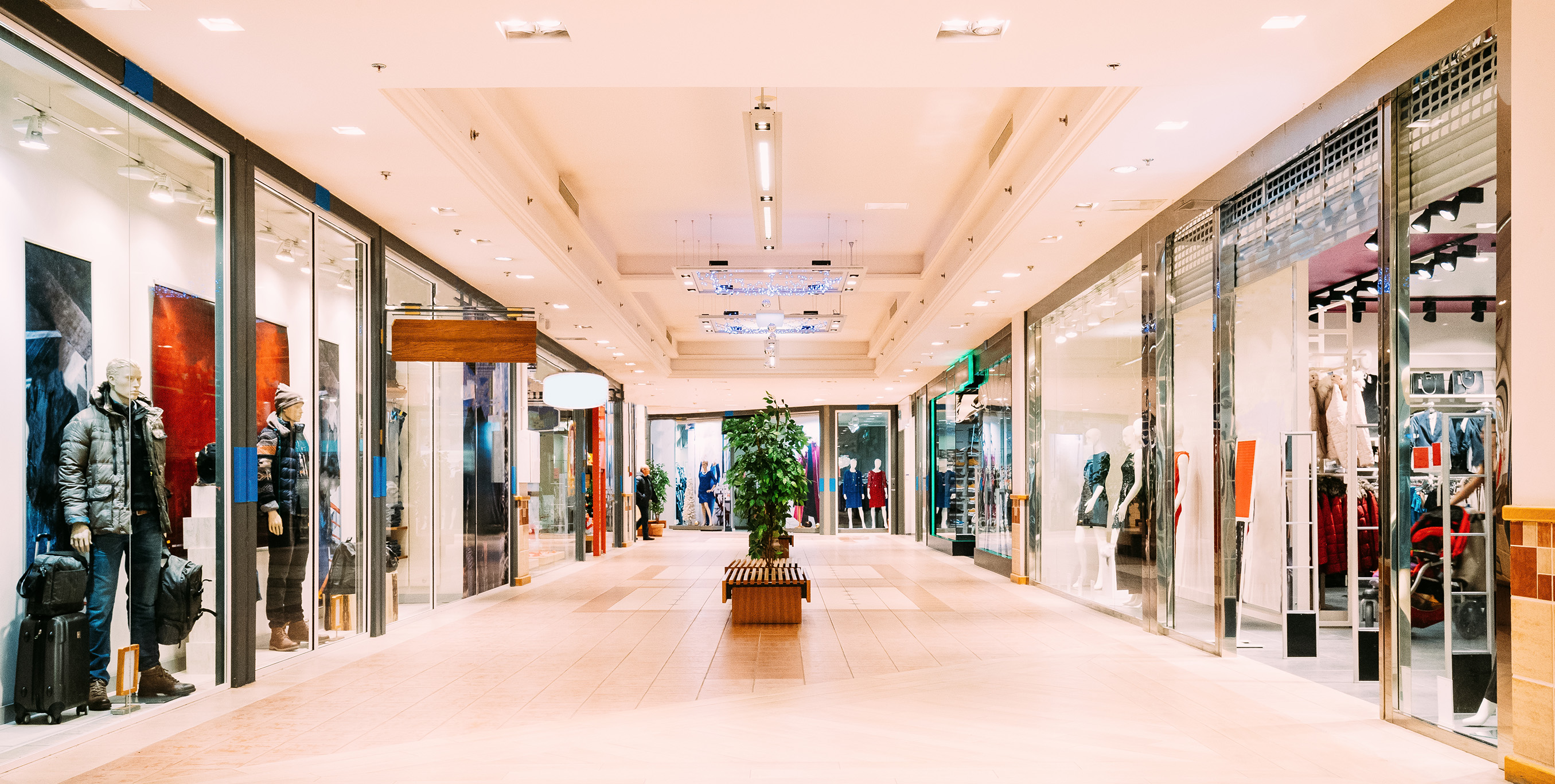
National headlines declared retail dead. Worcester forgot to read them.
Retail here follows rooftops and roadways. I-290 commuters. Route 9 shoppers. Residents migrating west for affordability but keeping eastward economic ties.
Infrastructure doesn’t guarantee retail success. But a growing population and consistent traffic counts are a far better predictor than Twitter sentiment.

Life Sciences & R&D: Close Enough to Matter
Worcester’s life sciences ecosystem continues to gain momentum as emerging biotech firms and established biopharma companies recognize the region’s advantages in infrastructure, workforce, and cost structure. Anchored by UMass Chan Medical School, the city has developed a growing cluster that spans research, incubation, clinical development, and biomanufacturing.
A key component of this ecosystem is the UMass Chan Science Park, a multi-building laboratory campus totaling nearly 470,000 square feet adjacent to the medical school. The park offers lab-ready space that can support companies at multiple stages of growth. Now managed by the team at Massachusetts Biomedical Initiatives (MBI) under CEO Jon Weaver, the campus continues to strengthen its role as a bridge between early-stage innovation and commercial operations. With recent space availability, the Science Park is well positioned to accommodate companies looking to scale within Worcester rather than relocate to higher-cost markets closer to Boston.
Investment from major industry players further reinforces the market’s momentum. AbbVie, one of the city’s largest biopharma employers, is expanding its Worcester campus with a new three-story facility that will add laboratory and support space to its existing biologics research and manufacturing operations. The project highlights Worcester’s competitive advantages—including access to skilled talent, available infrastructure, and a collaborative research environment.
Together, assets like the UMass Chan Science Park, MBI’s thriving innovation pipeline, and continued corporate investment position Worcester as a practical and scalable life sciences market within Massachusetts.
Airport Growth: The Quiet Multiplier
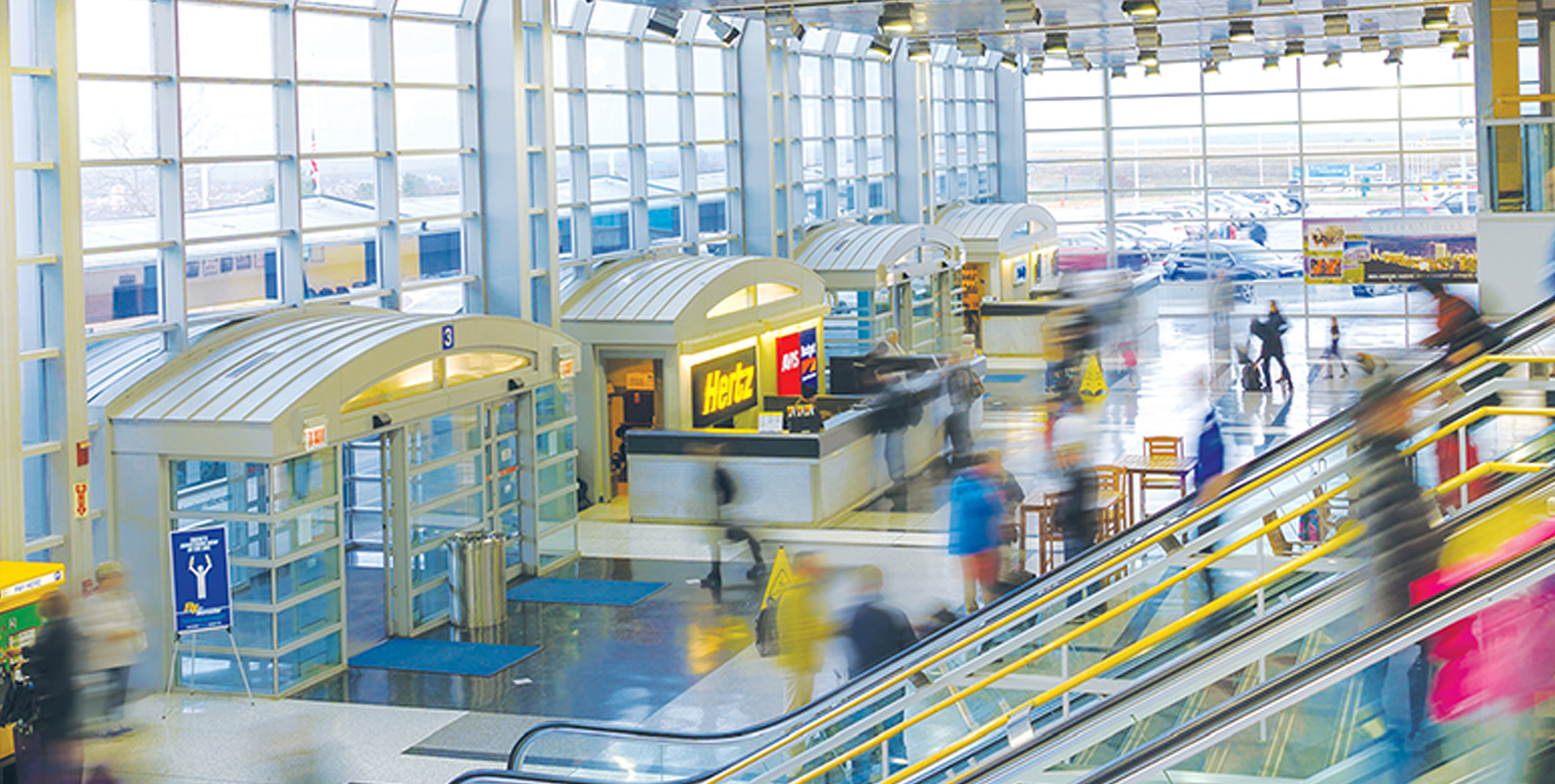
Airports amplify markets.
Massport has targeted doubling passenger volume by 2035, using airline incentives and cargo expansion to strengthen connectivity.
Corporate site selectors notice.
Convenience compounds.
Infrastructure as Risk Insurance
In volatile markets, investors look for moats.
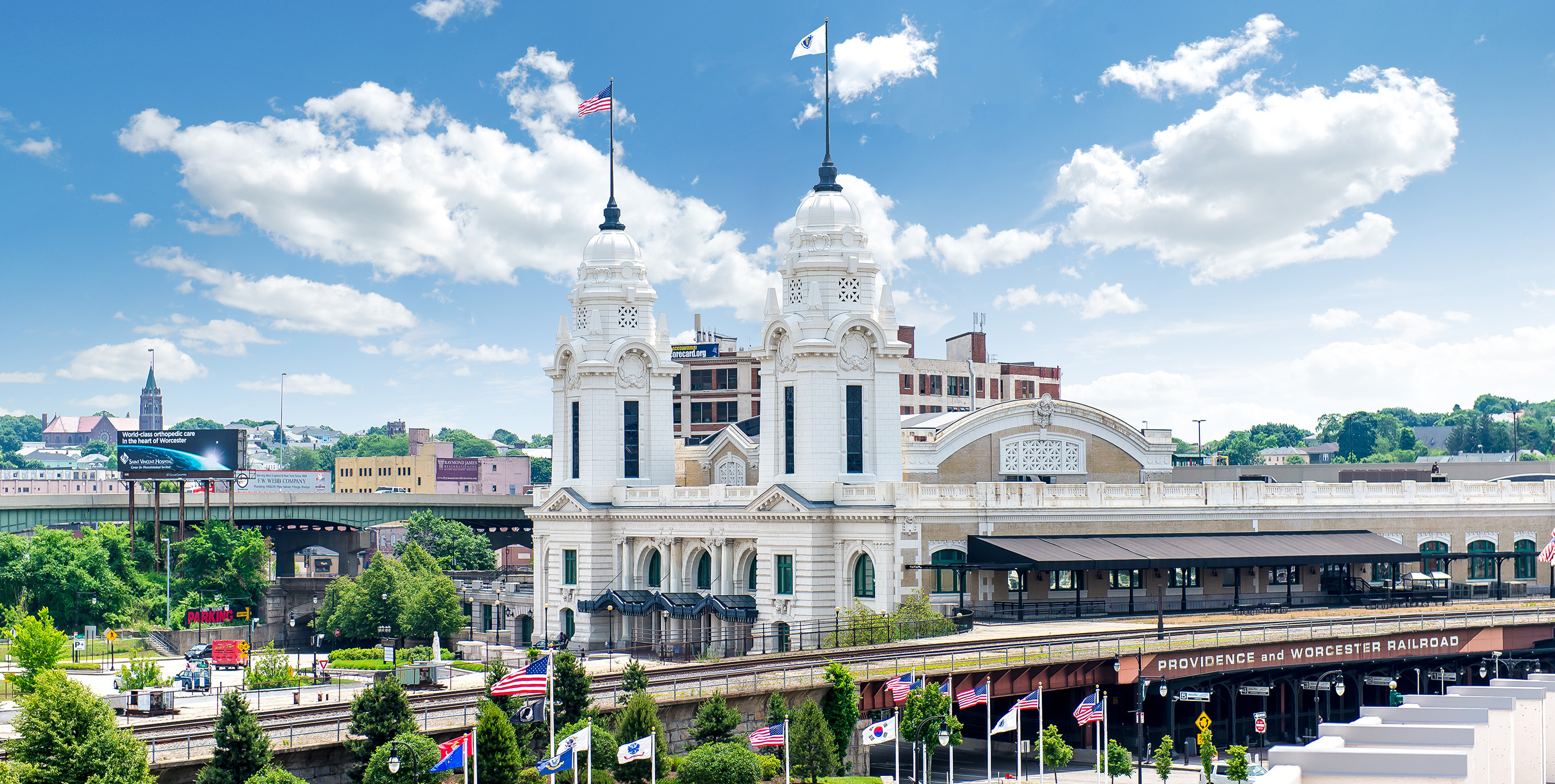
Proximity to highways, rail stations, and airport corridors doesn’t eliminate downturns — but it cushions them. Assets tied to infrastructure tend to lease first and recover faster.
The Worcester Advantage
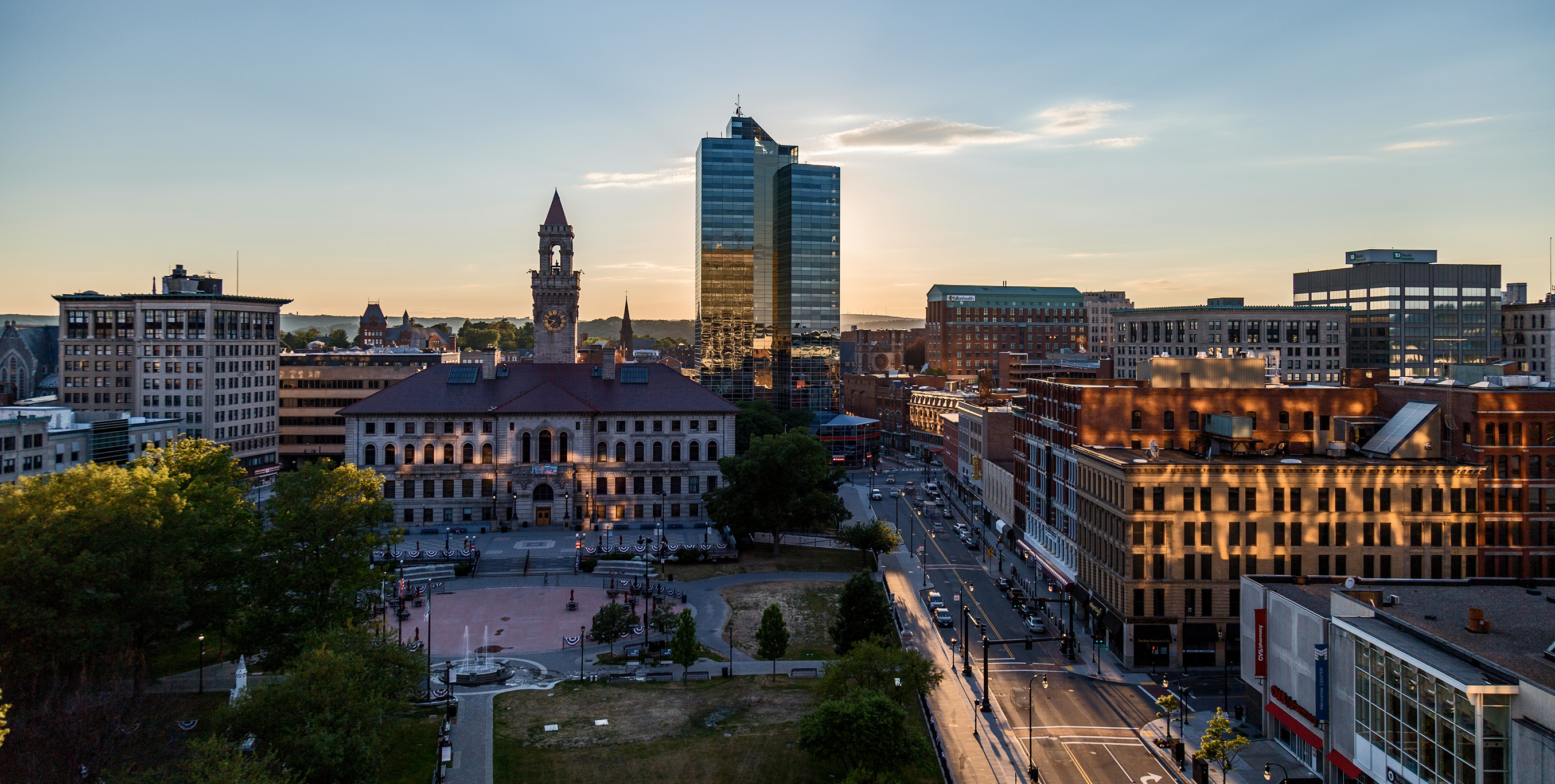
Worcester’s infrastructure was layered over decades — highways first, rail modernized, airport expanded.
But infrastructure alone isn’t enough. It requires alignment.
City leadership and regional partners like the Worcester Chamber of Commerce have embraced a pragmatic, pro-growth approach. Organizations like the Worcester Business Development Corporation have repositioned key sites and attracted advanced industries. State support through MassDevelopment has strengthened capital stacks and reduced development risk.
Investors favor markets where infrastructure and policy work together — where permitting is navigable, redevelopment is supported, and leadership understands speed and predictability.
Worcester offers that alignment.
And now those assets converge at a moment when:
- Cost discipline matters
- Supply chains are recalibrating
- Workforce mobility defines competitiveness
The highways connect three states. The rail line bridges Boston and Central Massachusetts. The airport expands corporate reach. Governance supports sustained growth.
Smart money doesn’t chase headlines.
It follows infrastructure.
And in New England, that infrastructure runs straight through Worcester.
####
For information about commercial real estate opportunities in Worcester, Central Massachusetts or the MetroWest region, contact Kelleher & Sadowsky. With more than four decades experience, our team can often see inside the many particulars of a potential transaction and find ways to add value and creative solutions that others might not see.