
Top Commercial Real Estate Trends in Central Massachusetts Heading into 2026
Interested in Investing in Worcester? Contact Us.
Call Kelleher & Sadowsky:
508-755-0707
If you drive through downtown Worcester these days, you can feel it — that low, familiar hum that always precedes a market swing. Cranes over Main Street, dumpsters outside century-old buildings, and the stubborn conviction that, once again, Central Massachusetts is going to pull off what Boston says cannot be done.
While the national real estate world wrestles with office vacancies and a hangover from rate hikes, Worcester and its neighbors are quietly rewriting the playbook. They are turning old police stations into apartments, making lab space out of old factories, and financing it all with a kind of Yankee ingenuity that would make Michael Bloomberg blush.
Here is how they’re doing it — and why 2026 could be the most interesting year yet.
1) Adaptive Reuse: The Second Life of the City
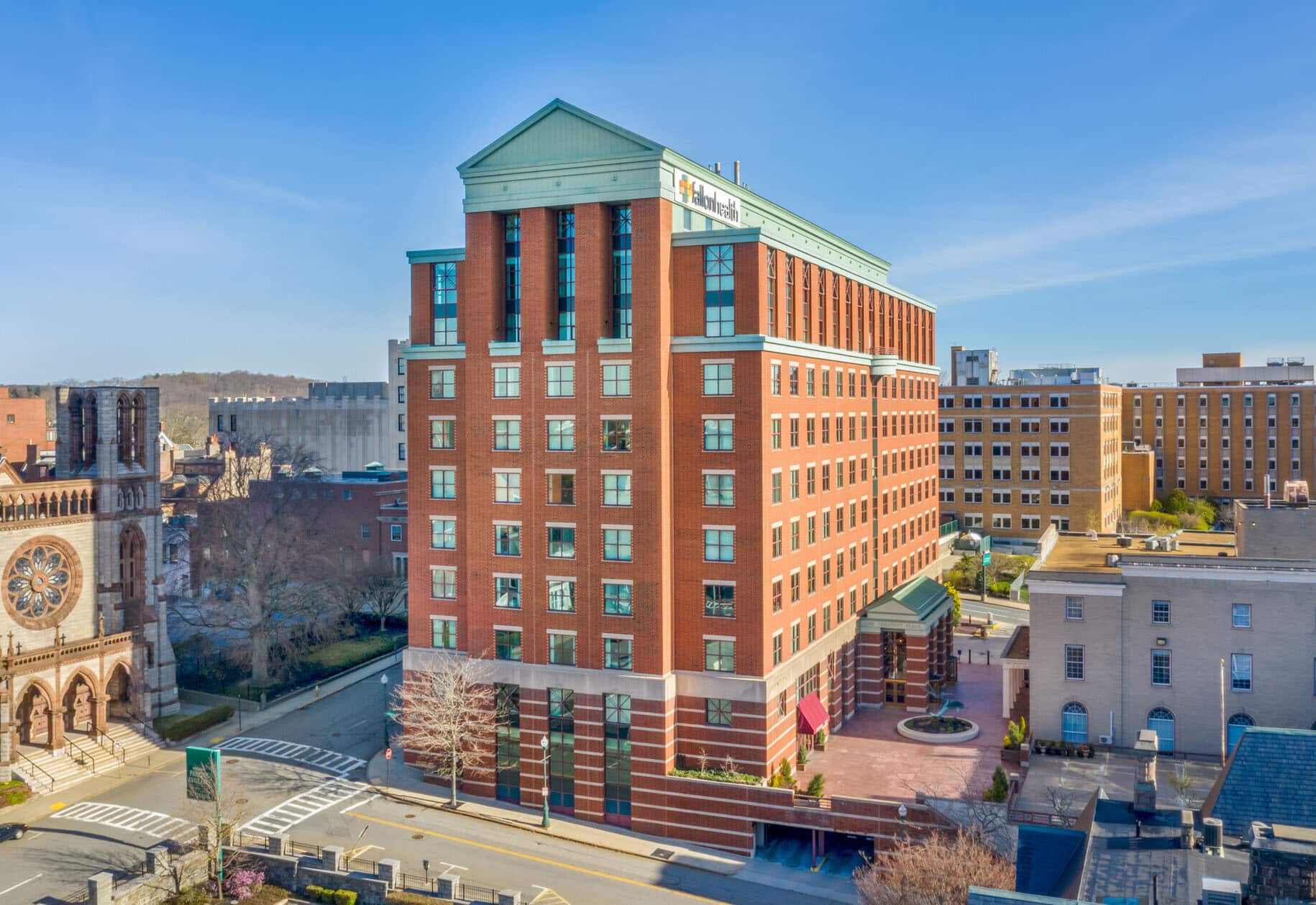
Conversions are happening because multifamily demand in downtown Worcester has outpaced everything else.
- One Exchange Place – The old police HQ, district court, and fire station are being reborn as 44 apartments and retail. Kelleher & Sadowsky’s capital markets team arranged $14.35 million in financing, threading together historic and HDIP credits like a double helix of local capital and ambition
- One and Two Chestnut Place – Synergy Investments is sinking $73 million into turning a downtown high-rise into 198 market-rate apartments, while its neighbor becomes 22 affordable condos funded by the city’s Affordable Housing Trust and the Commonwealth Builder Program.
- The Slater Building, the granite sentinel at 390 Main, is under feasibility review by Winn Development — one of several projects eyeing the state’s new Commercial Conversion Initiative.
Worcester’s century-old stock is finally being seen for what it really is: prefabricated character. When you already have bones like this, you do not build from scratch—you build on story.
2) Life Sciences & Advanced Manufacturing: Stabilizing and Repositioning
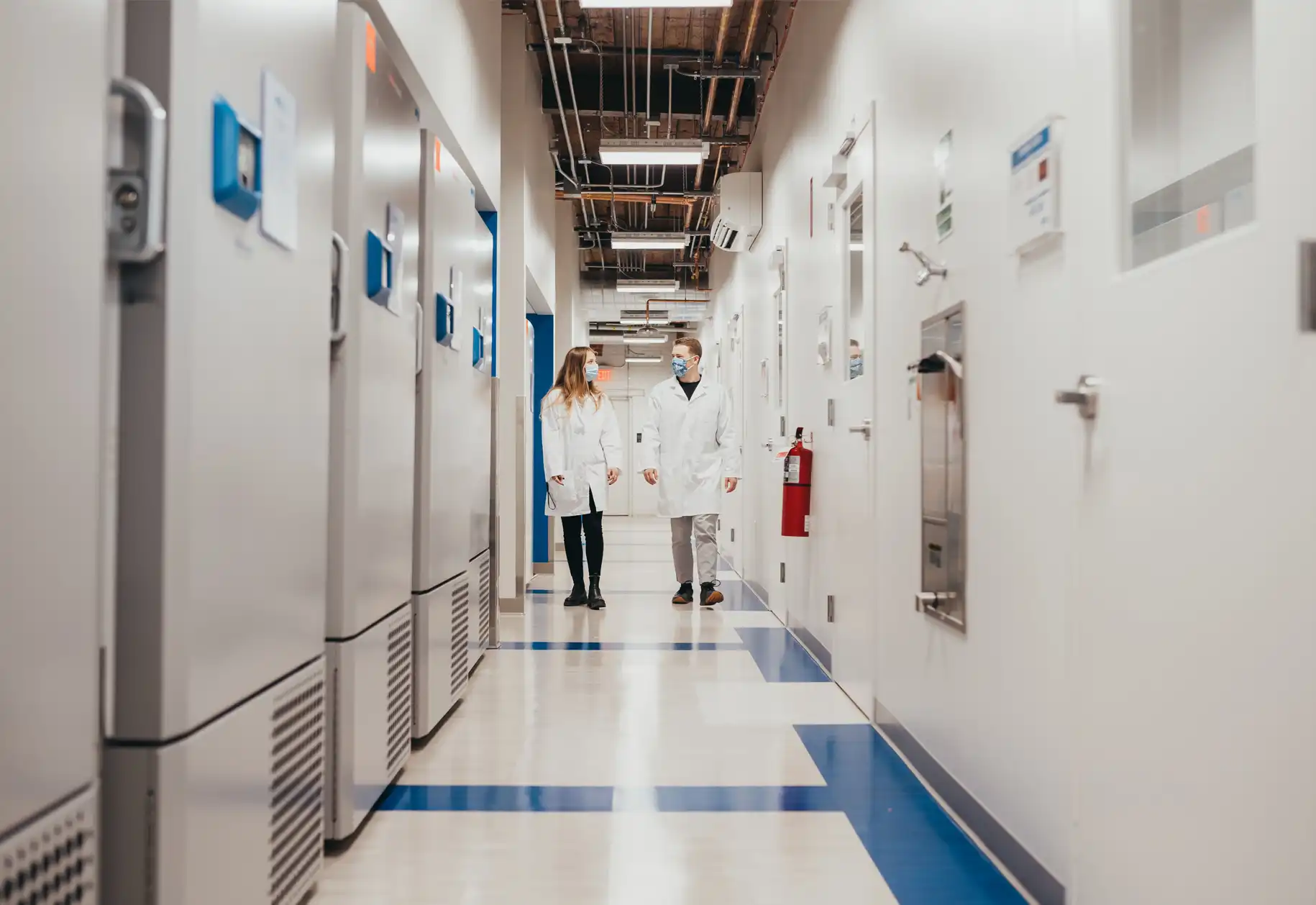
Greater Boston’s life science market is still working through a generational reset. With large blocks of space sitting idle in Cambridge, Waltham, and Watertown, tenant decision-making remains slow statewide. Worcester feels some of that ripple effect—the UMass Biotech Park currently has roughly 150,000 SF available, and recent workforce reductions at AbbVie underscore the sector’s broader recalibration.
But the city’s ecosystem has strengths that are holding firm: cost discipline, workforce depth, multimodal access, and a growing bench of homegrown companies moving from bench science to real-world production.
- UMass Biotech Park – While carrying more vacancy than in prior years, the Park remains one of the region’s most infrastructure-ready campuses. Its utilities, zoning, and permitting advantages position it well as market conditions improve and selective tenants seek value outside the Route 128 belt.
- The Reactory and GreenTech Park – Both campuses continue to appeal to biomanufacturing, advanced manufacturing and cleantech users. Activity is measured, but interest persists from companies focused on cost stability, controlled growth, and proximity to Worcester’s talent base.
- MBI: Quiet Strength with New Momentum – Massachusetts Biomedical Initiatives (MBI) remains one of the healthiest parts of the ecosystem. Its incubator is fully leased, demand from emerging companies is strong, and MBI is now partnering with the Worcester City Campus Corporation (WCCC) to roll out new mid-market lab and biomanufacturing options. These spaces will serve companies “graduating” from MBI’s incubator—firms entering clinical trials, scaling headcount, and expanding their Central Massachusetts footprint.
The market may not be sprinting, but Worcester is doing what stable life-science markets do in reset periods: investing, repositioning, and preparing for the next wave of growth. When capital and confidence return, the city’s modern infrastructure and workforce pipeline will give it a meaningful head start.
Worcester is no longer Boston’s “back office.” It is becoming the scaling floor for the state’s next generation of biotech. The rent may be half of Kendall Square, but the hustle is identical.
3) Mixed-Income Momentum: Public and Private Capital Play Nice
Forget the outdated idea that affordable housing equals slow development. Central Massachusetts is turning it into an engine of innovation.
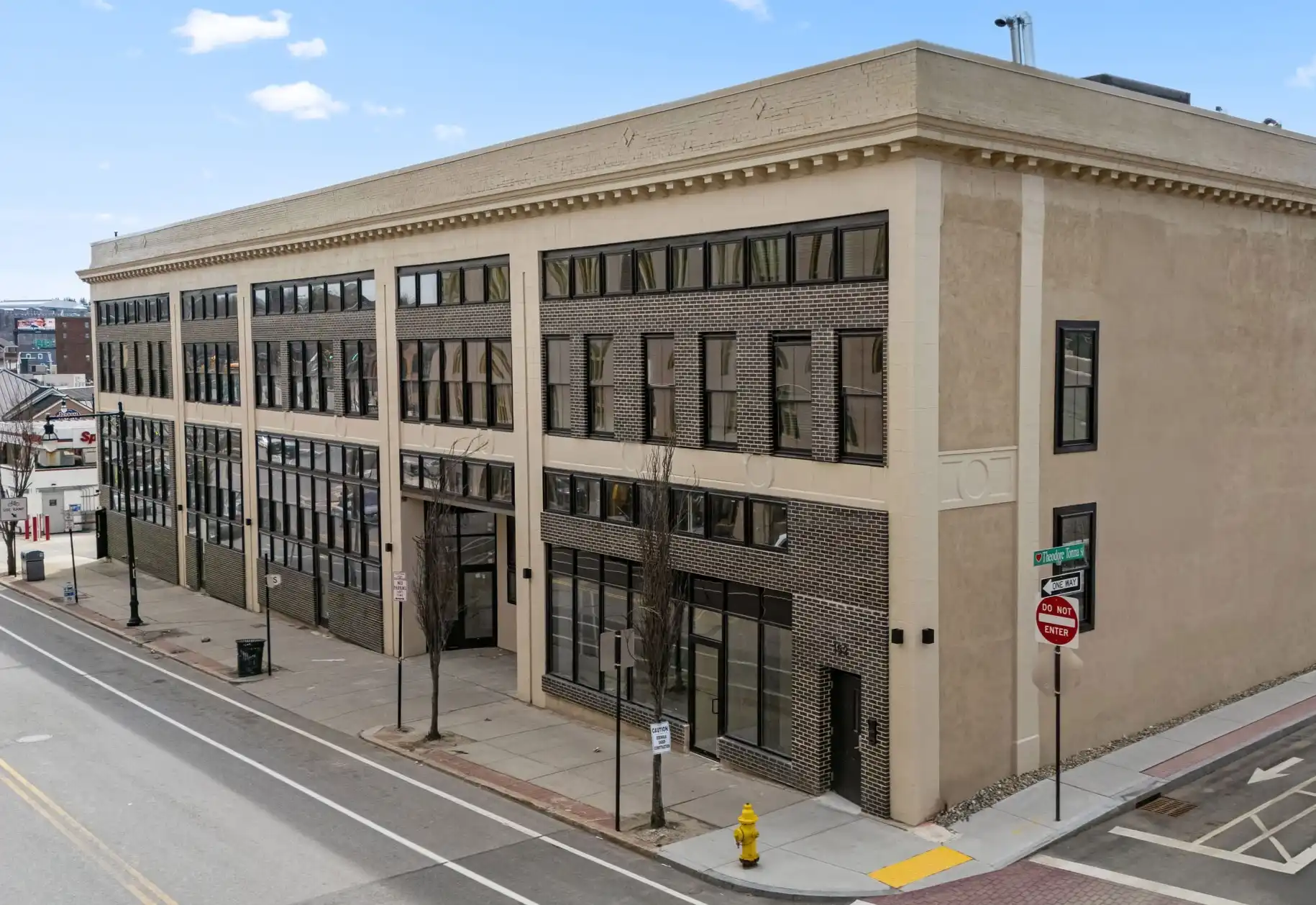
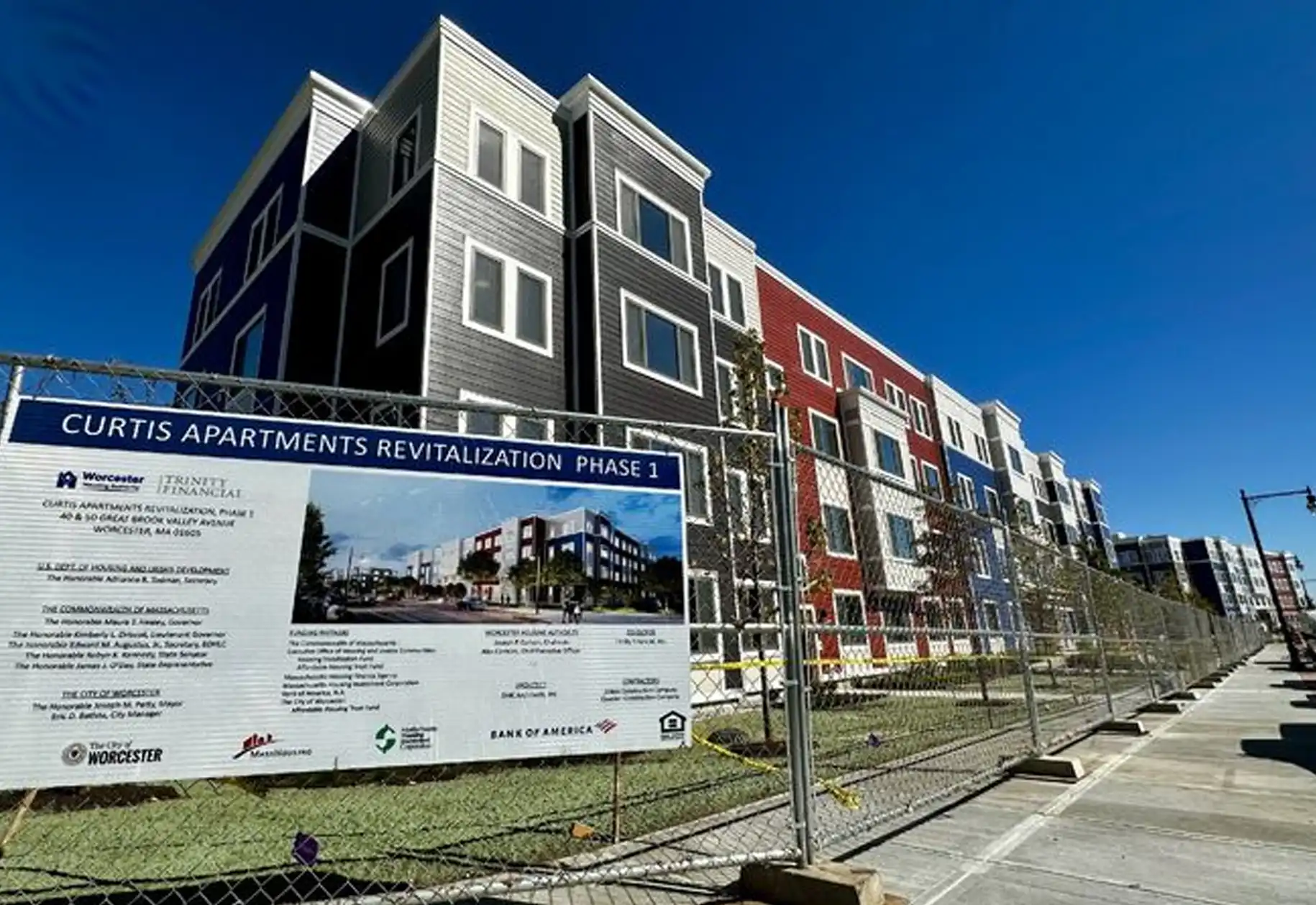
- Curtis Apartments Redevelopment – The Worcester Housing Authority’s $200-million, 527-unit transformation is moving into Phase 2, delivering 150 all-electric, Passive House units and a new library branch.
- Table Talk Pies Site – The Canal District’s sweetest deal turned into 83 affordable units in Phase 1, with more mixed-income housing on deck.
These are not charity projects — they are strategic investments in stability. Developers have learned to stack tax credits, ESG capital, and private equity the way Silicon Valley stacks code.
4) The Ballpark District: Where Placemaking Meets Permanence
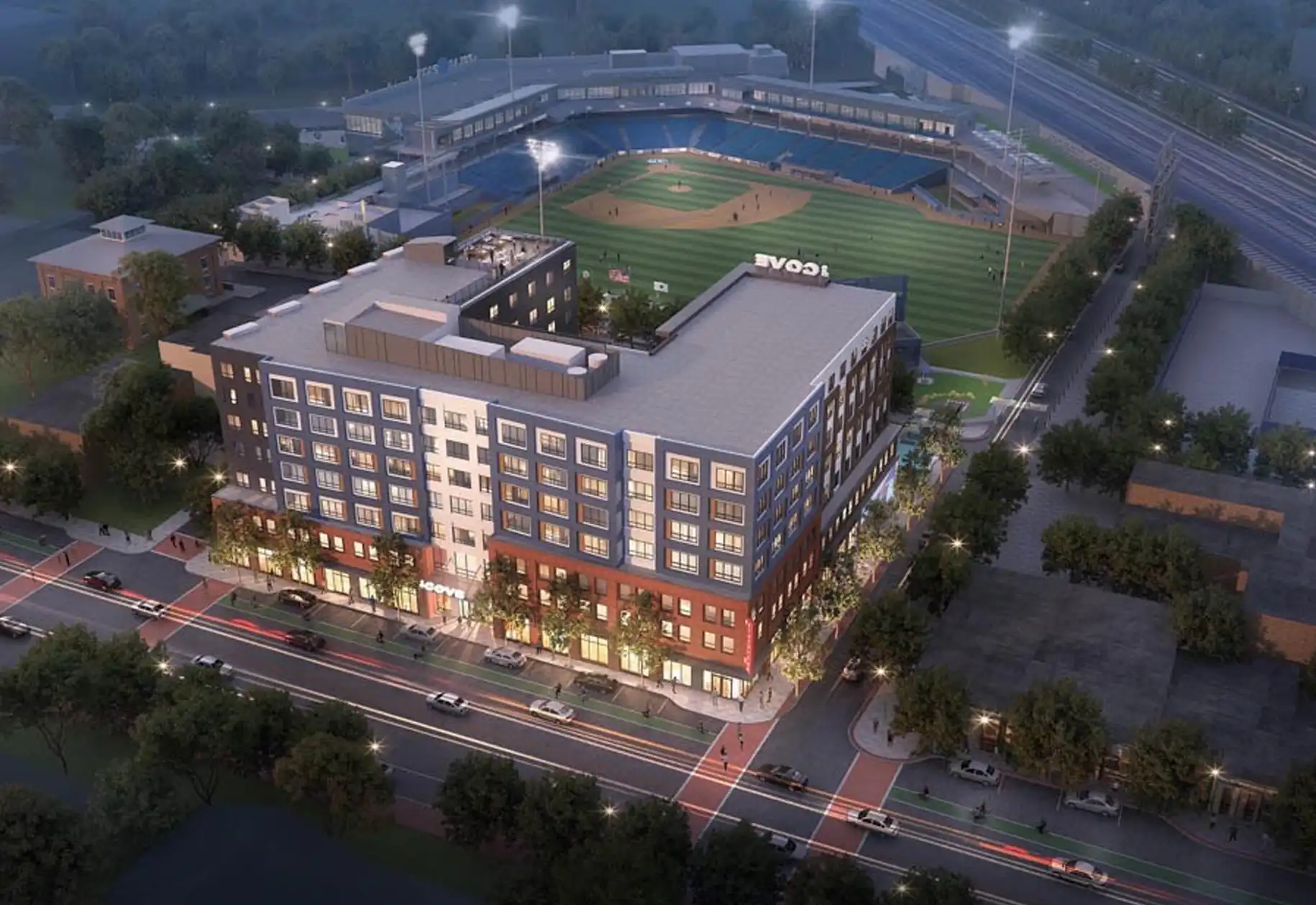
Polar Park started as a gamble. It is now a gravitational pull.
- The Cove brought 173 apartments right up to the outfield.
- The Revington mixed-use development stitching together Madison Street with apartments, restaurants, and retail.
- Table Talk Pies Site – The Canal District’s sweetest deal turned into 83 affordable units in Phase 1, with more mixed-income housing on deck.
- Kelly Square keeps attracting breweries, boutique gyms, and local restaurants.
- And for the first time in decades, Worcester’s skyline is starting to glow at night.
The stadium was never the endgame. It was the accelerant—fueling a part of downtown Worcester that already had momentum but needed another gear. Today, the Canal District hums like a miniature Seaport—minus the traffic, the pretension, and the $90 parking tickets.
5) The New Capital Stack: Where Creativity Is Collateral
Financing in 2025 feels less like banking and more like jazz improvisation.
- One Exchange Place – $9.85 million in construction, $4.5 million in bridge debt, and a PGIM/Freddie Mac Forward for the take-out loan.
- Curtis Apartments – A Rubik’s Cube of public and private funding built for resilience.
- Downtown Refinancing – Landlords across Worcester and MetroWest are swapping floating for fixed, freeing liquidity for renovations and acquisitions.
This is where Kelleher & Sadowsky’s capital markets team has found its groove: in the liminal space between local knowledge and institutional capital. The deals that close in 2026 will belong to the teams that can layer money like mortar.
6) Retail & Entertainment: The Comeback Downtown Continues
Suburban retail remains strong. But site selectors are beginning to head back to where they belong—downtown.
- Suburban Strength – Shrewsbury, Northborough, and Auburn all saw brisk leasing in 2025, driven by grocery anchors, medical tenants, and fitness concepts.
- Downtown Worcester – Momentum is picking up. New restaurants like 1 Mercantile and Ruth’s Chris Steak House are drawing residents and visitors alike. Adding to the energy, Planet Fitness is opening at 90–110 Front Street, bringing steady daily foot traffic and strengthening the retail ecosystem. National site selectors are finally circling again.
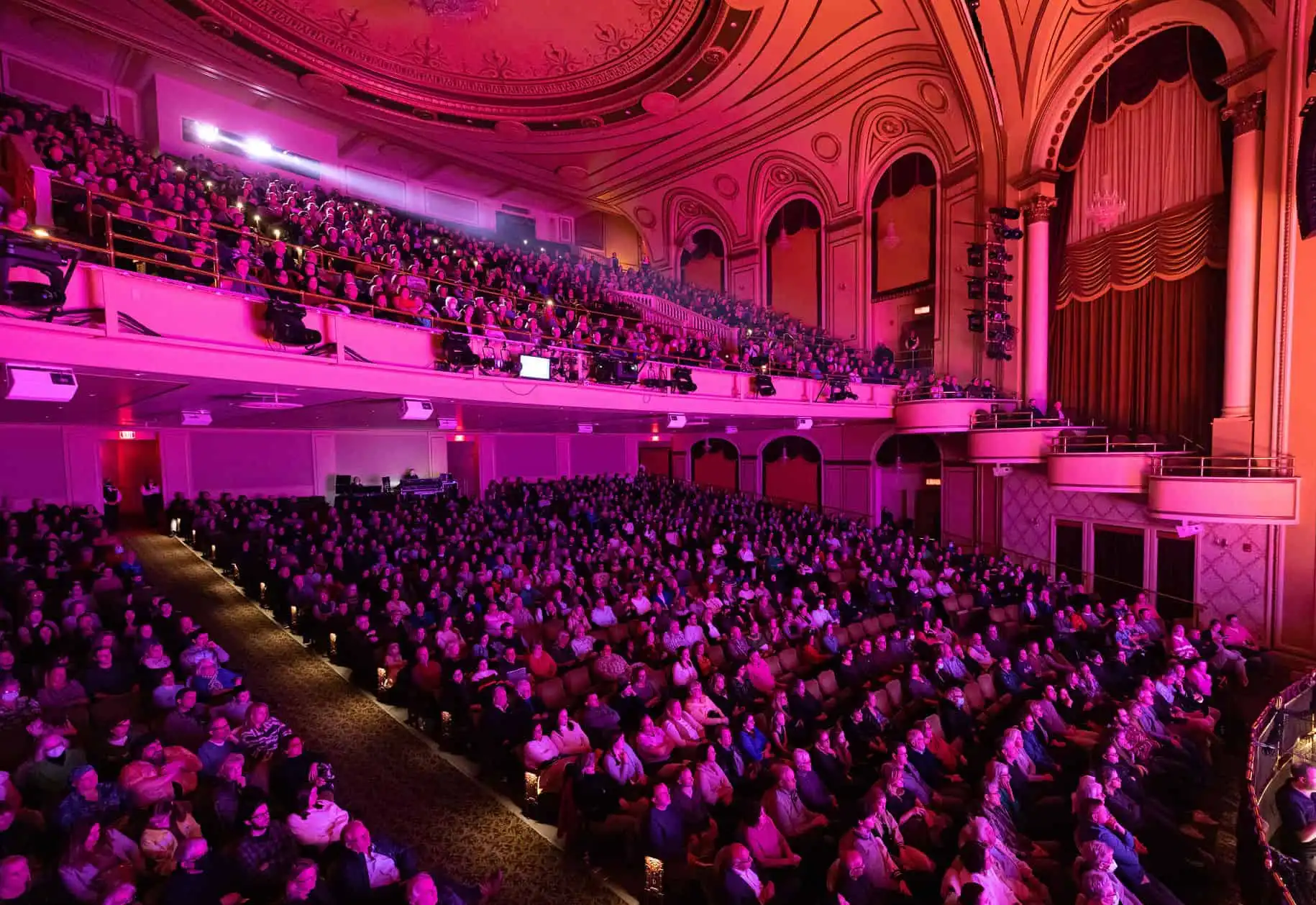
- Cultural Anchors – The Hanover Theatre, The Palladium, DCU Center, and Mechanics Hall continue to provide the consistent foot traffic that supports a sustainable downtown economy.
7) Industrial & Logistics: Quiet Winners
In a world chasing “last-mile” logistics, Central Massachusetts sits on a golden middle mile – a region perfectly positioned between Boston, Providence, Hartford, and the 495 belt.
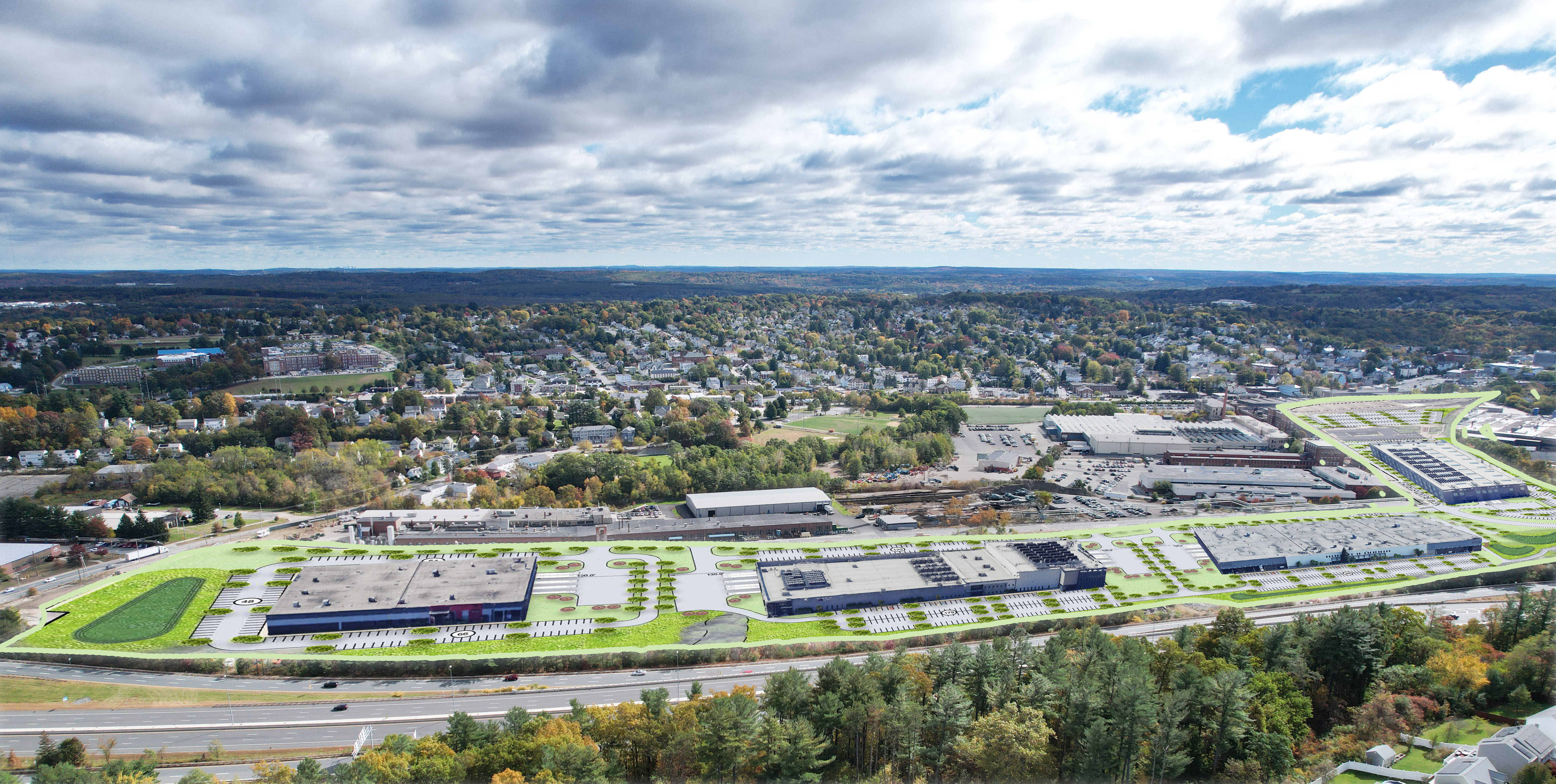
- GreenTech Park – Targeting flexible manufacturing and cleantech tenants who value modern infrastructure and proximity to Worcester’s talent pipeline.
- Regional Industrial Corridors (Worcester → Shrewsbury → Westborough) – A broader cluster along Route 20, Route 9, Hartford Turnpike, and South Street continues to accommodate mid-size logistics and production users. While true 100K–200K SF facilities are more common closer to I-495, Central Mass remains an attractive option for manufacturers and distributors seeking cost-efficient footprints just outside the high-rent zones.
- Canal District – Small-scale fulfillment, service providers, and trades-focused tenants are following the district’s residential and hospitality growth.
The Takeaway
Worcester is doing what it’s always done — quietly rewriting the rules. While the rest of the state debates the future of the office, Central Massachusetts is living it: smaller footprints, smarter capital, and deeper roots.
The cranes are up. The brokers are busy. And if you squint, you can almost see the next skyline forming—a city built not on speculation, but on momentum.
####
For information about commercial real estate opportunities in Worcester, Central Massachusetts or the MetroWest region, contact Kelleher & Sadowsky. With more than four decades experience, our team can often see inside the many particulars of a potential transaction and find ways to add value and creative solutions that others might not see.